The global licensing industry's center of gravity spent the second half of October 2026 in Shanghai. The 19th China Licensing Expo (CLE) ran October 21 through 23 at the Shanghai New International Expo Centre, closing its largest edition to date and confirming a pattern that merchandise manufacturers have watched build for several years: Asia is no longer only the production base for licensed goods. It is increasingly the market where licensing deals originate, where new IP categories form, and where product formats are being reinvented. For brands, IP holders, and the OEM factories that serve them, the show's composition offers a reliable preview of where merchandise demand will concentrate through 2027.
CLE 2026 by the Numbers
Organized by the licensing branch of the China Toy and Juvenile Products Association, CLE 2026 occupied more than 68,000 square meters of exhibition space and presented over 2,700 licensed properties to a trade audience numbering around 100,000 visitors. Exhibitor counts exceeded 600 companies, spanning IP owners, licensing agencies, retailers, and manufacturers. The show ran alongside roughly 100 on-site forums, matchmaking sessions, and signing ceremonies, and the organizing association paired the trade floor with a city-facing consumer program of IP pop-ups and carnival events across Shanghai, extending the show's reach from B2B deal-making into direct retail activation.
The international character of the show was equally notable. Licensing Magazine led a delegation of licensors, licensees, publishers, and retailers from nine countries, reflecting a broader industry read that new content, new consumers, and new partnerships are being built in Asia. Global anchor properties, including Disney, Pokémon, Barbie, and Hello Kitty, exhibited alongside Warner Bros., Tencent Video, iQIYI, and Bandai Namco's Shanghai operation.
The IP Mix Is Changing: Domestic Chinese Properties Take Center Stage
The most structurally significant feature of CLE 2026 was the visibility of domestic Chinese IP. Properties such as the animated film Nobody (浪浪山小妖怪), the fantasy series Jian Lai (剑来), the period drama Empresses in the Palace (甄嬛传), and the streaming hit The Apothecary Diaries (药屋少女的呢喃) appeared in the same exhibition halls as Harry Potter and Pacific Rim. This represents a maturing two-way market: Chinese properties now command licensing programs with the same retail seriousness as imported franchises, and international brands are licensing into Chinese consumer categories at growing volume. The association's 2026 industry white paper, released earlier this year, put China's annual retail sales of licensed goods at approximately RMB 180 billion, providing the demand base behind the show floor.
For overseas buyers and Western IP holders, the practical consequence is direct. Licensing programs increasingly span both directions at once, and production partners need to handle artwork style guides, approval chains, and compliance documentation for Asian properties with the same rigor applied to Disney or Sanrio programs.
Trendy Toys and Blind-Box Formats Move From Niche to Standard
CLE 2026 organized its floor into seven themed zones, and two of them, the new IP plus trendy toys zone and the games and sports zone, drew the densest buyer traffic. The trendy toy segment, built around collectible vinyl figures, plush, and blind-box distribution, has become a standard licensing format rather than an experiment. The same week the show ran, Publishers Weekly's October Licensing Hotline reported IDW's Hello Kitty and Friends: Hello World! Supercute Mystery Box, described as the first blind-box collectible built around a graphic novel, combining the book with a mystery figure and exclusive stickers. When Western publishers begin packaging print IP in mystery-box formats, the format has crossed from Asian specialty retail into the global mainstream.
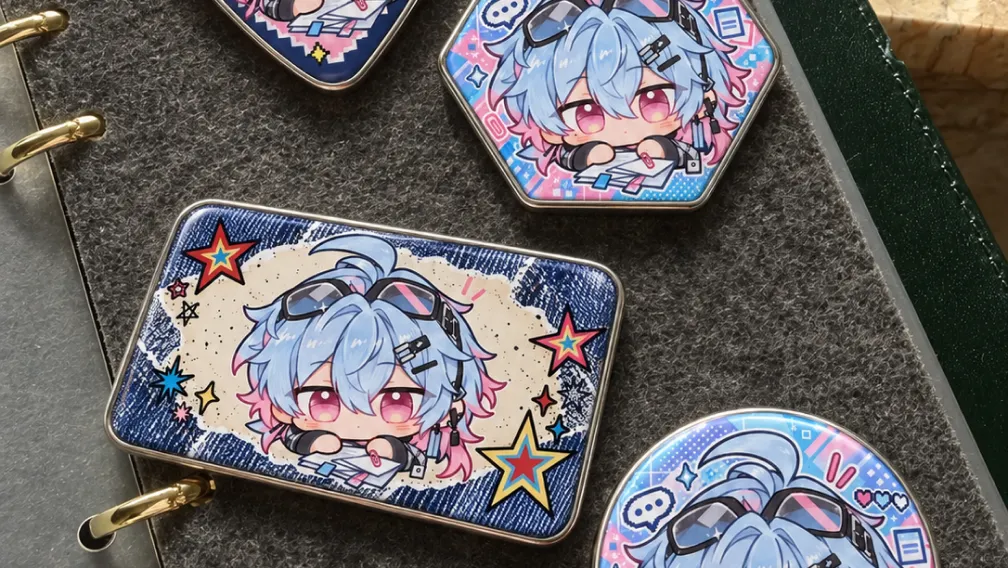
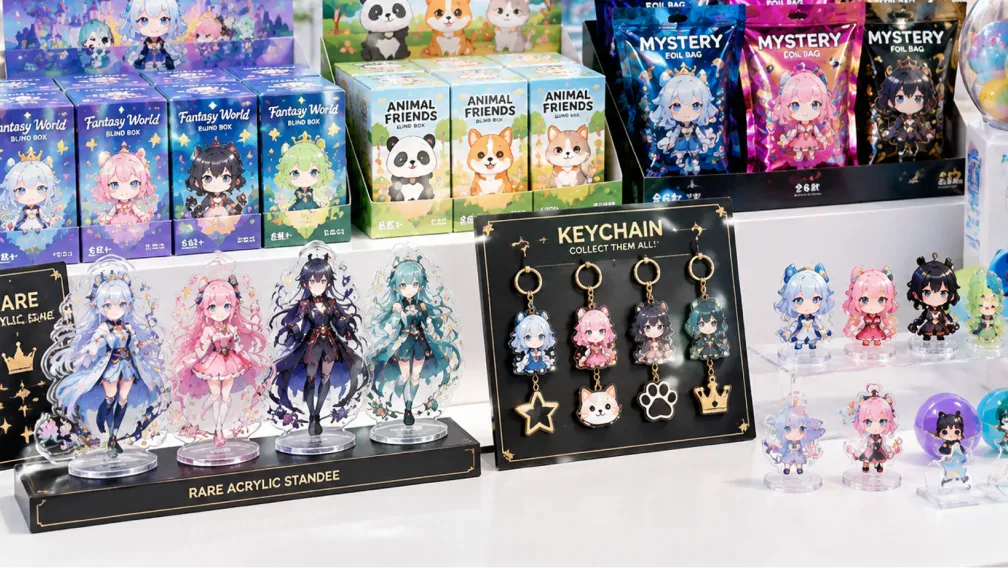
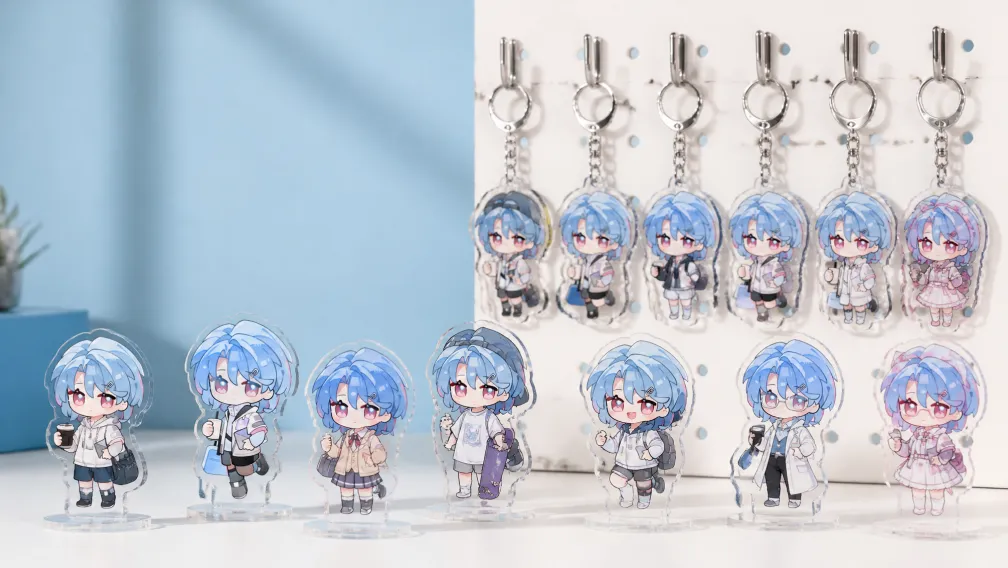
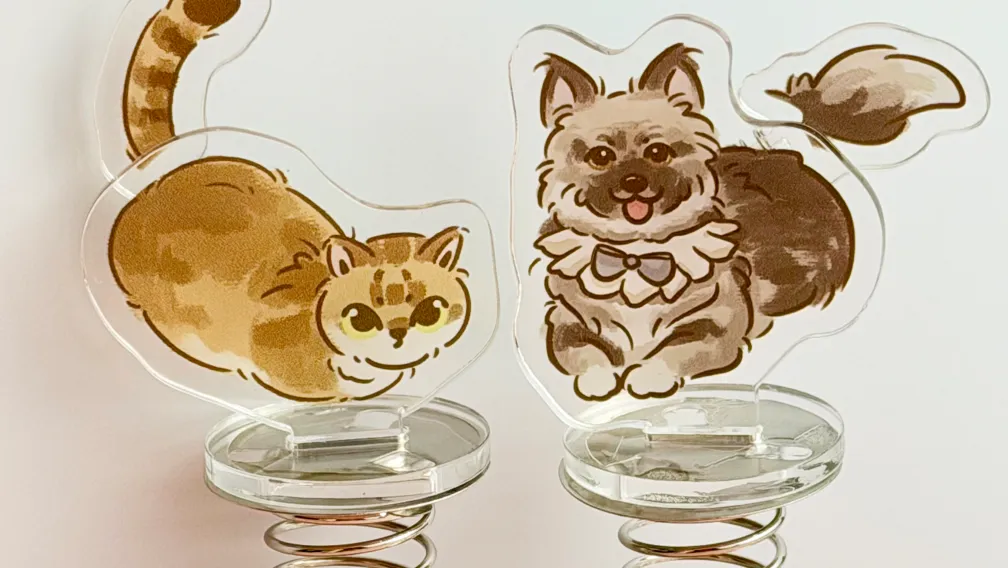
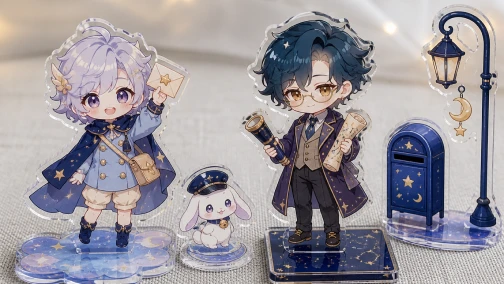
This convergence carries a specific manufacturing requirement. Blind-box and mystery formats depend on assortment integrity: sealed-unit packaging, randomized inner packing ratios that survive statistical audit, and tamper-evident construction. Factories quoting these programs must demonstrate packing-line controls, not only printing quality. Merchandise categories that feed the trendy toy channel, including custom acrylic standees, custom button pins, and custom trading cards, are increasingly ordered in blind-bag configurations with foil or kraft inner packaging and display boxes engineered for retail counters.
Art, Museum, and Heritage Licensing Creates a New Product Category
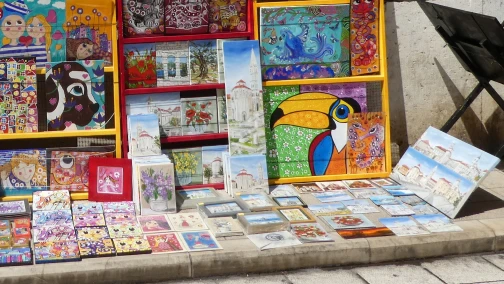
Two of CLE's seven zones, art and museum licensing and IP crossed with intangible cultural heritage, point to the fastest-forming category in the Chinese licensing market. Museum and heritage properties demand a different merchandise logic than entertainment IP. The buyer is purchasing reproduction fidelity: brushstroke texture, color accuracy against archival references, and substrates that read as craft objects rather than promotional goods. This demand profile maps directly onto print formats where surface quality is the product, from fine-art paper goods to rigid display pieces such as custom shikishi boards, which originate in the same Japanese art-board tradition that museum stores and gallery retail already understand.
Western museum licensing programs have operated for decades, but the CLE zone structure shows the category industrializing in Asia at a scale that will pull manufacturing capacity with it. Suppliers able to color-manage archival artwork and document their color workflows will hold an advantage as these programs scale into export markets.
Signals From the Wider Circuit: BLE 2026 and the Q4 Procurement Window
CLE did not happen in isolation. Brand Licensing Europe closed its 2026 London edition in late September with a record 325 exhibitors, a 20% increase over the prior edition, with 85 first-time exhibitors and roughly two-thirds of the floor already rebooked for September 2027. Read together, the London and Shanghai shows describe a licensing market expanding on both ends of the supply chain simultaneously: more properties seeking licensees in Europe, and more licensed product programs seeking production capacity in Asia.
The timing matters for procurement calendars. Deals structured at CLE in late October typically reach sampling and factory qualification stages between November and January, targeting retail placement for the spring and summer season. Manufacturers see the effect as a predictable Q4-to-Q1 compression in sampling queues. Brands that intend to launch licensed merchandise in the first half of 2027 should be qualifying production partners and submitting artwork now, while sampling capacity is still available.
Key Figures From the Autumn 2026 Licensing Circuit
| Indicator | Reading | Source |
|---|---|---|
| CLE 2026 dates and venue | October 21–23, Shanghai New International Expo Centre | China Toy and Juvenile Products Association |
| Exhibition scale | 68,000+ sqm; 600+ exhibitors; 2,700+ licensed IPs | CLE 2026 show materials |
| Trade attendance | Approximately 100,000 professional visitors | CLE 2026 show materials |
| China licensed-goods retail sales | Approximately RMB 180 billion annually | 2026 China Licensing Industry White Paper |
| Brand Licensing Europe 2026 | Record 325 exhibitors, +20% vs. prior edition; 85 first-time exhibitors | BLE 2026 post-show reporting |
| Format signal | First blind-box collectible built around a graphic novel (IDW x Hello Kitty) | Publishers Weekly Licensing Hotline, October 2026 |
What This Means for Merchandise Manufacturing
Three operational conclusions follow from the October licensing circuit:
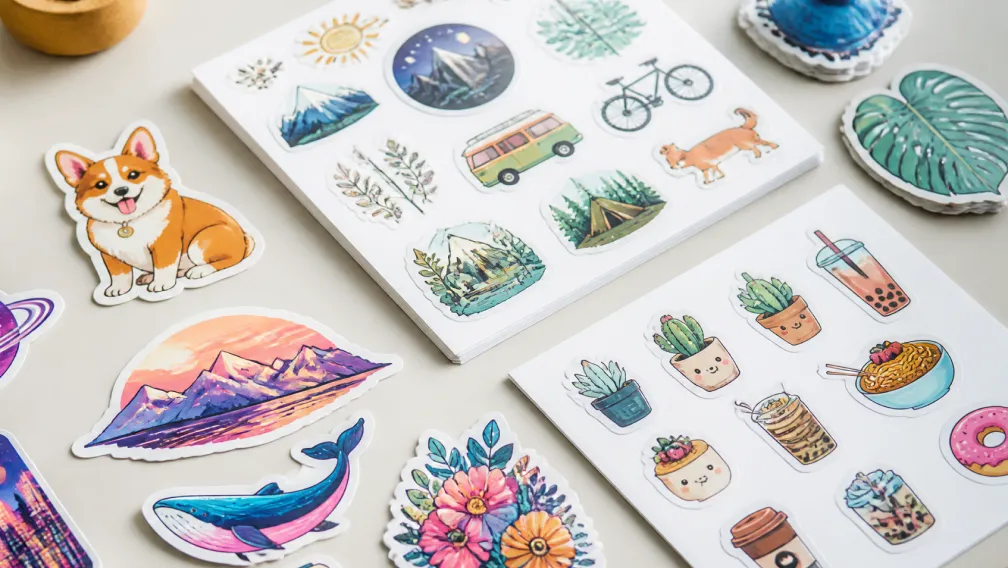
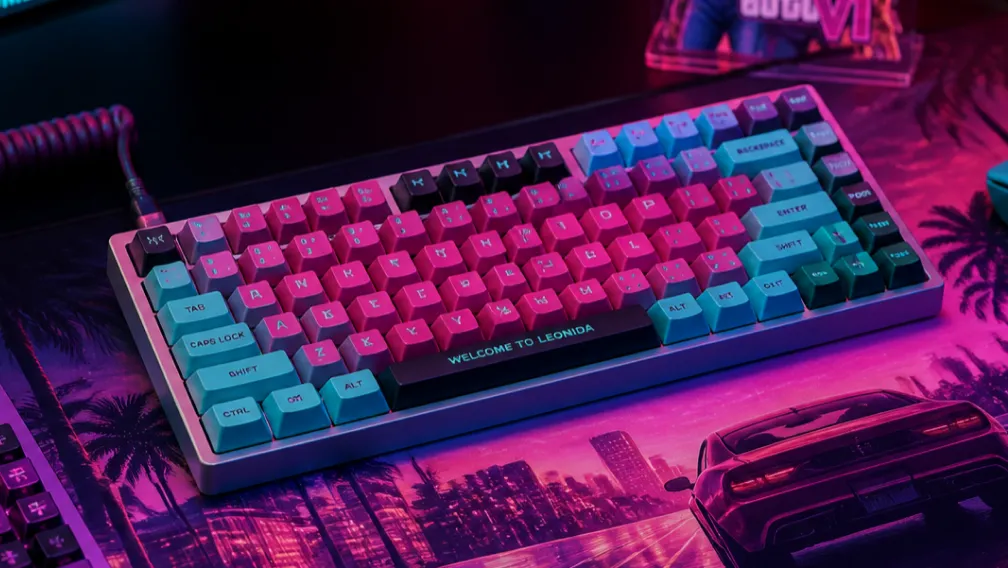
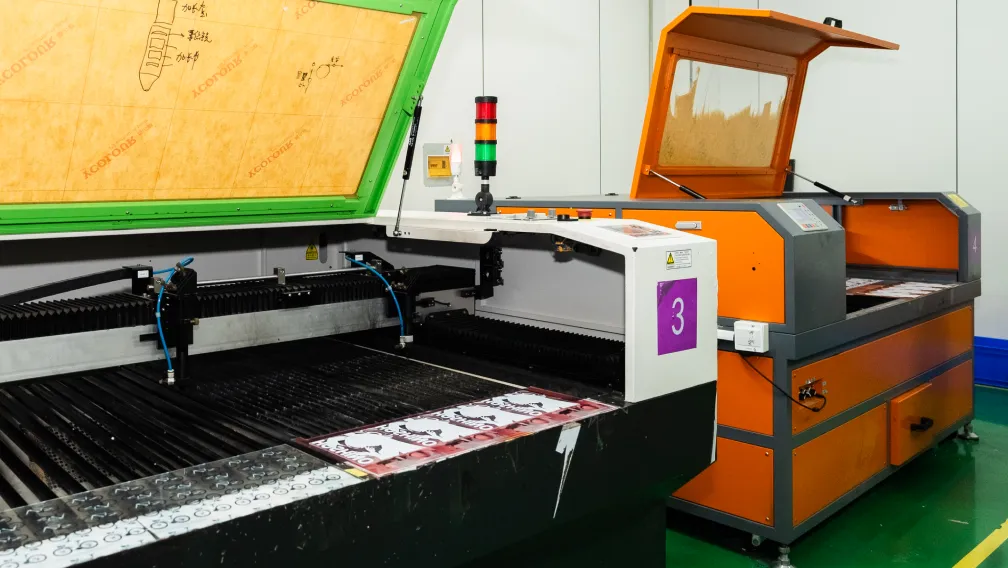
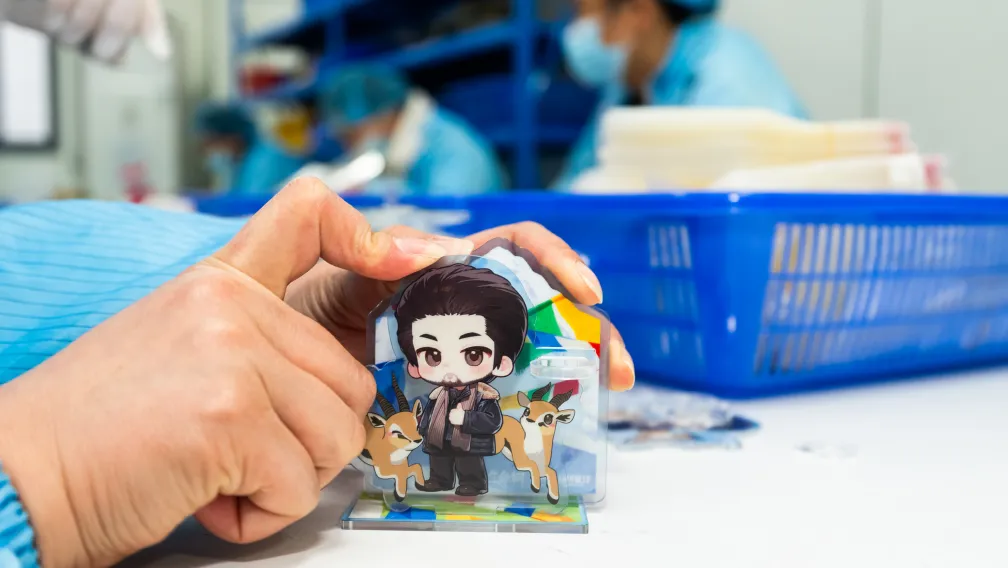
- Multi-format consolidation wins programs. A single license now activates across blind-box collectibles, flat print goods, acrylic display items, and event exclusives at the same time. Buyers increasingly consolidate these formats with factories that can run UV printing, precision cutting, badge pressing, and card production under one roof, because split sourcing multiplies color-consistency and scheduling risk.
- Compliance documentation is the entry ticket. With domestic Chinese IP programs now operating at international standards, factory audits, social compliance records, and IP-handling authorization are screening criteria applied before pricing discussions begin.
- Assortment integrity is a production specification. Blind-box ratios, sealed inner packaging, and retail display engineering belong in the purchase contract, verified at the packing line rather than assumed.
Working With Modori Works
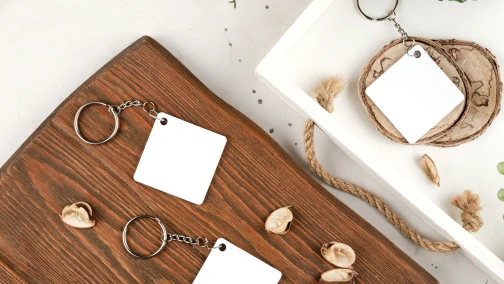
Modori Works manufactures licensed merchandise programs from a 10,000-square-meter production campus in China's Yangtze River Delta, with Disney FAMA authorization and ISO 9001, BSCI, and Sedex certifications covering more than 100 machines across UV printing, CNC cutting, hot stamping, and badge pressing lines. Our scope spans acrylic display merchandise, badges, cards, and print formats including custom acrylic keychains, supporting everything from blind-bag convention exclusives to museum retail programs. Brands planning 2027 licensed programs can submit artwork and target quantities for a production feasibility assessment and factory-direct quotation.
-

Modori Works Team
Custom B2B Merchandise Manufacturer
Authored by the engineering and production specialists at Modori Works. We share deep manufacturing insights, material breakdowns, and workflow guides to help global brands, artists, and event organizers bring custom acrylics, keycaps, and collectibles to life with strict IP protection.