The impending release of Grand Theft Auto VI (GTA 6) drives a distinct procurement cycle across the PC peripheral and merchandise sectors. Historical supply chain data from major interactive entertainment launches indicates that consumer hardware upgrade cycles synchronize directly with flagship software releases. For peripheral manufacturers and B2B merchandise distributors, the GTA 6 gaming setup represents a high-volume product category. Navigating this sector requires merging specific aesthetic languages—namely, the neon-drenched retro-futurism associated with Vice City—with rigorous industrial engineering standards. Procurement managers must evaluate polymer science, precise manufacturing tolerances, and international compliance frameworks to produce merchandise that survives the high-frequency wear of the enthusiast gaming demographic.
Polymer Engineering: Executing the GTA Vice City Keycaps Aesthetic
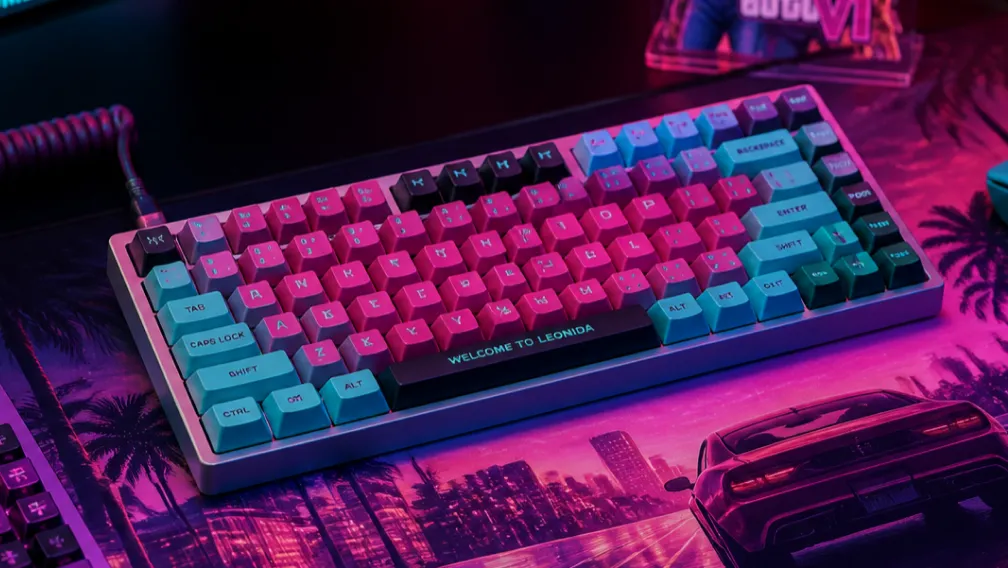
A core structural component of the GTA 6 mechanical keyboard ecosystem is the keycap set, a focal point in our recent analysis of esports tech merchandise trends. The defining Vice City visual language relies heavily on high-contrast neon colorways, specifically alternating cyan, magenta, and deep indigo. Translating these digital hex codes into physical plastics requires tight process control over resin selection and colorant application.
Resin Selection: PBT vs. ABS
Professional peripheral manufacturers specify Polybutylene Terephthalate (PBT) resin for enthusiast-grade input devices. Unlike standard Acrylonitrile Butadiene Styrene (ABS), PBT possesses a higher resistance to the chemical degradation caused by natural finger oils. This resistance prevents the smooth, greasy shine that develops on ABS keycaps after months of intensive gaming. However, manufacturing PBT presents specific engineering challenges. The material exhibits a high volumetric shrinkage rate (between 1.5% and 2.0%) as it cools inside the steel injection mold. For larger structural components, such as a 6.25U spacebar, this shrinkage manifests as thermal warping. Advanced manufacturing facilities mitigate this by utilizing multi-point injection gating and securing the newly molded keycaps in specialized cooling jigs until the polymer matrix fully crystallizes.
Dye-Sublimation Color Profiling
To achieve the complex, vibrant legends required for custom keycaps without utilizing expensive dual-injection steel tooling, factories rely on the dye-sublimation process. Thermal sublimation introduces dispersed dyes into the PBT polymer matrix under controlled temperatures ranging from 200°C to 220°C. Because the ink converts directly from a solid to a gas and penetrates the plastic surface by approximately 0.1 mm to 0.2 mm, the legends become impervious to physical abrasion. Achieving the exact neon cyan characteristic of GTA Vice City keycaps demands strict ICC (International Color Consortium) profile management. Temperature fluctuations of even five degrees inside the sublimation heat press will shift the dye reaction, resulting in unacceptable color drift across production batches.
Auxiliary Inputs: CNC Machining and Custom 9-Key Arrays
Open-world software environments like GTA require complex key bindings to manage diverse gameplay modes, including driving, aviation, and on-foot combat. Dedicated macro pads serve as essential hardware extensions to the primary keyboard. The manufacturing of these auxiliary units combines aerospace-grade metallurgy with printed circuit board (PCB) fabrication.
Housing and PCB Tolerances
Premium macro pad housings are typically CNC machined from 6063 aluminum alloy blocks, followed by bead blasting and anodic oxidation to match specific desktop color themes. Inside the housing, the structural switch plate requires exacting dimensional tolerances. The mounting cutouts must measure exactly 14.0 mm by 14.0 mm to accommodate standard mechanical switch housings. A deviation of +0.1 mm results in switch wobble, compromising the tactile feedback of the keystroke. Below the switch plate, the FR4 fiberglass PCB utilizes 1-ounce copper tracing and integrated hot-swappable sockets. For B2B merchandise planners, bundling these hardware units with custom 9-key keycap sets allows consumers to create dedicated physical interfaces for specific in-game menus, such as weapon wheels or vehicle hydraulic controls, maximizing the utility of the GTA 6 gaming setup.
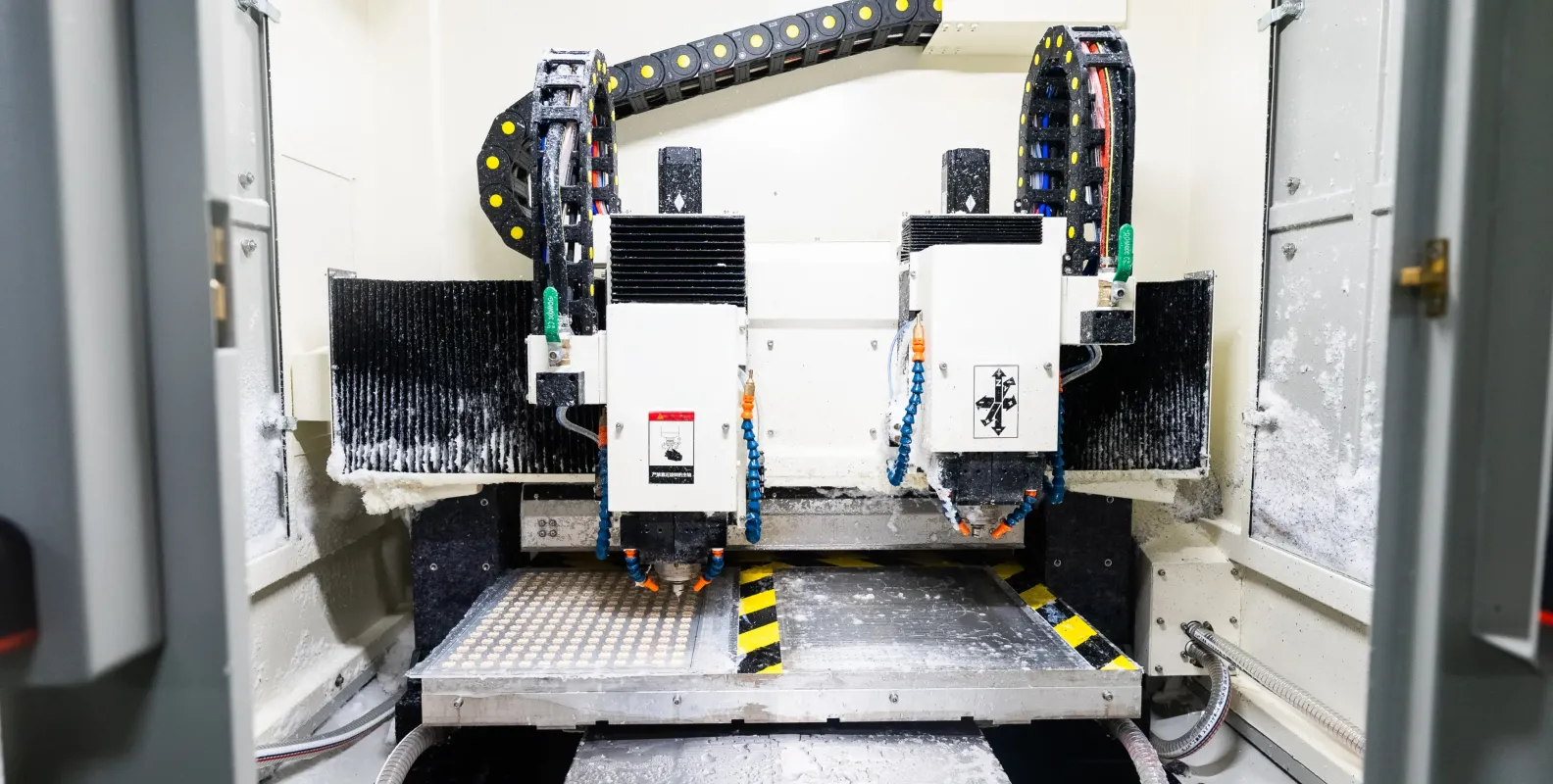
Desktop Environments: Large-Format Desk Mats and Substrates
Beyond electro-mechanical input devices, the visual environment of the gaming setup drives secondary accessory procurement. Desk mats anchor the aesthetic of the workspace, requiring materials engineered for both optical mouse sensor tracking and continuous friction resistance.
Industrial-grade desk mats utilize a dual-layer construction. The base substrate consists of vulcanized styrene-butadiene rubber (SBR), formulated to provide maximum slip resistance on glass and wood surfaces. The top layer comprises high-density micro-woven polyester fabric. Printing sprawling, highly detailed map topography or character artwork onto a 900 mm by 400 mm surface utilizes large-format dye-sublimation rotary presses. The primary manufacturing defect in this category is substrate shrinkage; the intense heat of the rotary press can warp the rubber base or distort the printed aspect ratio. Qualified factories control the feed tension and dwell time to ensure the final product maintains geometric accuracy.
Acrylic Merchandise: Lore, Collectibles, and Standee Tolerances
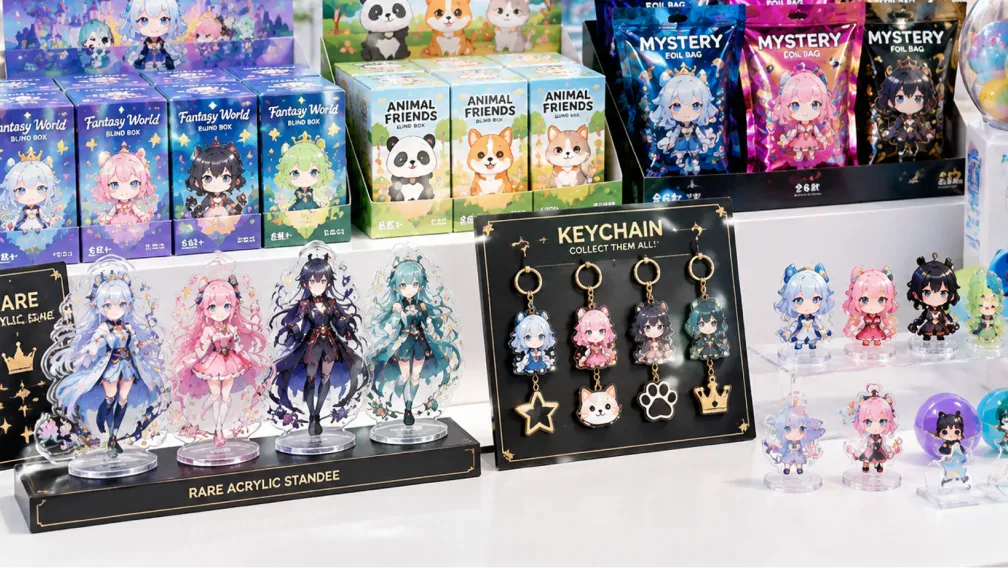
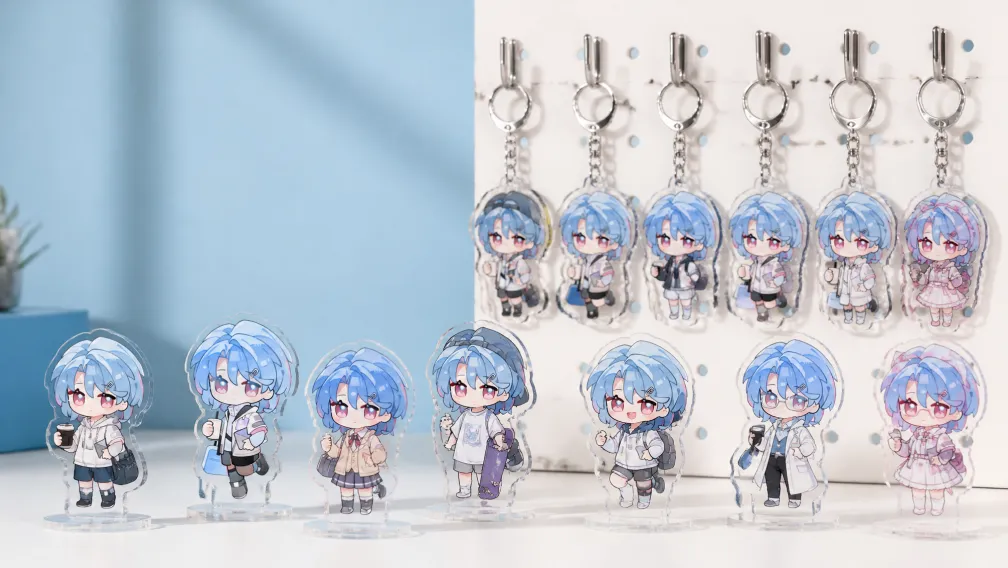
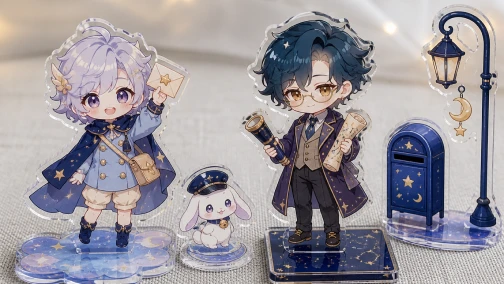
The GTA franchise possesses a massive subculture dedicated to in-game lore, easter eggs, and cryptid myths. Translating these intangible digital elements into physical GTA 6 merchandise heavily relies on custom acrylic manufacturing. Executing a highly detailed item, such as a custom ghost acrylic charm representing in-game mysteries, requires precise multi-layer printing architecture.
UV Printing Architecture
Factories utilize optical-grade cast polymethyl methacrylate (PMMA) sheets. Industrial UV flatbed printers deposit a high-resolution CMYK color layer, immediately cured by LED arrays operating at 365nm to 395nm wavelengths. Crucially, a solid white ink underbase is deposited directly over the color layer to block light transmission and preserve the artwork's contrast. Registration accuracy between the CMYK pass and the white underbase must remain within 0.1 mm; failures in registration produce visible white halos around the intricate outlines of the character art.
Kerf Compensation in Laser Cutting
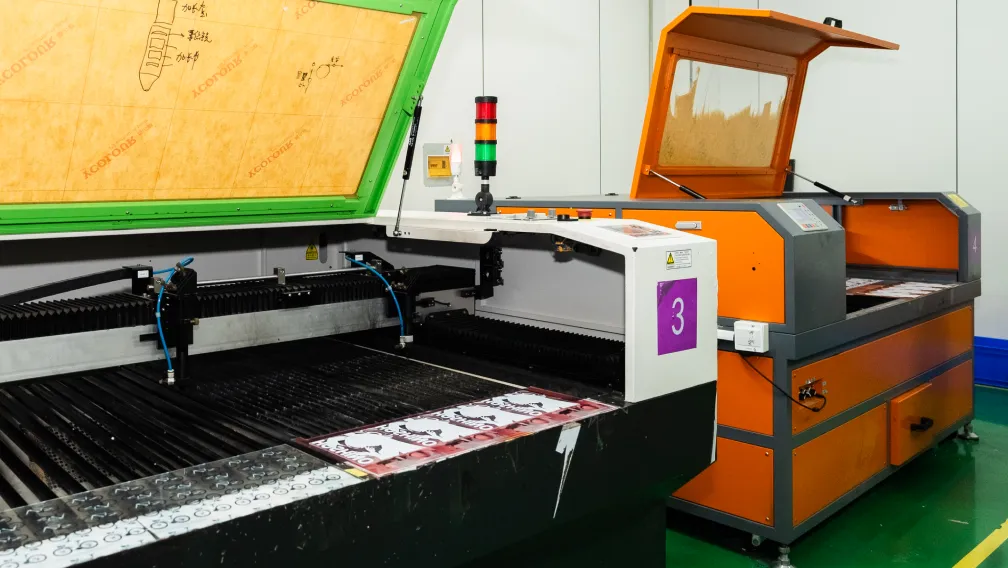
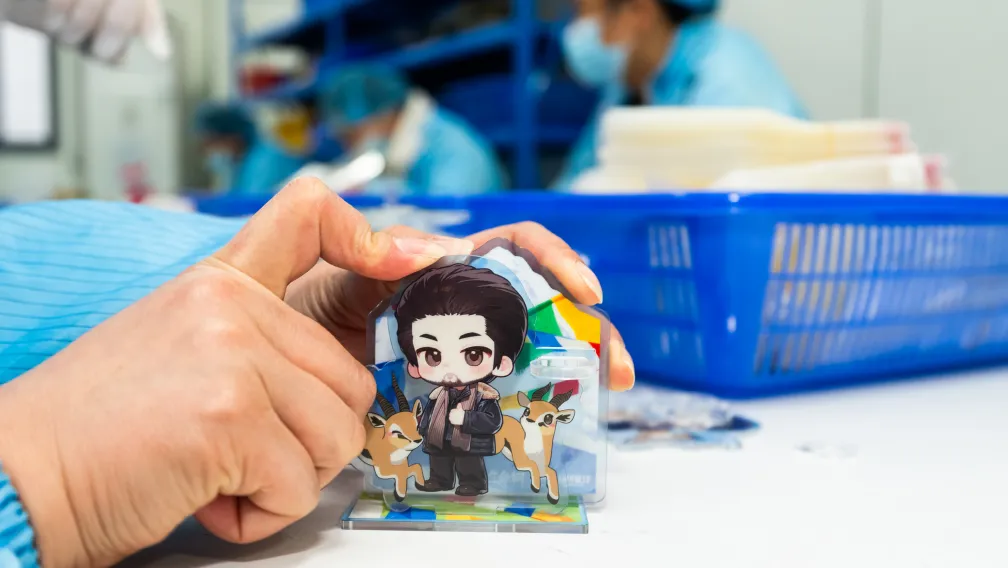
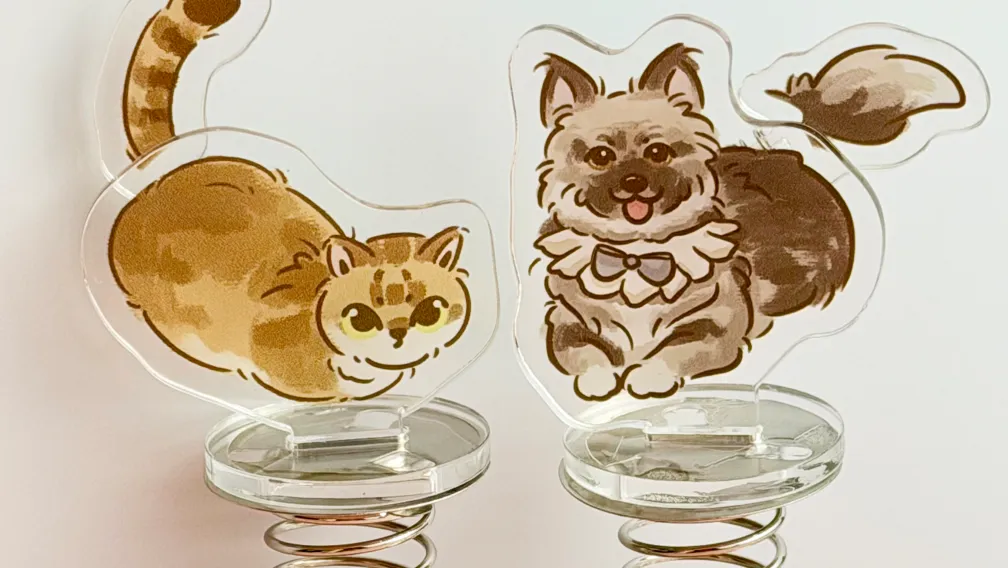
Following UV printing, CO2 lasers sever the PMMA sheets into individual custom acrylic charms and standees. The laser beam vaporizes a minute fraction of the material along the cut path, an industrial phenomenon known as the kerf width (typically 0.15 mm to 0.20 mm). CAD technicians must mathematically offset the vector cut lines to compensate for this material loss. If kerf compensation is ignored during laser cutting, the resulting acrylic standee tabs will measure 0.15 mm smaller than specified, causing the figure to wobble loosely within its base slot. Precision factories hold a ±0.05 mm tolerance on all friction-fit acrylic joints.
Quality Assurance and Regulatory Compliance
Distributing gaming merchandise across North American and European retail channels requires strict adherence to documented regulatory frameworks. Brands evaluating manufacturing partners must audit compliance across multiple vectors:
- RoHS and REACH: Printed circuit boards, solder joints, and polymer keycaps must hold valid third-party test reports confirming the absence of restricted heavy metals (lead, cadmium, mercury) and specific phthalates.
- Surface Adhesion Testing: The durability of UV inks on acrylic merchandise is verified using the ASTM D3359 cross-hatch tape test. A grid is scored into the printed surface, and industrial adhesive tape is applied and rapidly removed. Professional-grade UV ink bonding will exhibit zero peeling or delamination.
- Actuation Lifespan: For mechanical components, pneumatic testing machines repeatedly depress switch stems to verify functional integrity up to 50 million cycles, ensuring the macro pads endure rigorous gaming usage.
Q4 2026 Procurement Benchmarks
To assist procurement managers in planning their 2026/2027 peripheral and merchandise drops, the table below outlines current operational benchmarks for qualified B2B OEM suppliers.
| Product Category | Standard MOQ | Mass Production Lead Time | Critical Technical Tolerance |
|---|---|---|---|
| Dye-Sublimation PBT Keycaps | 100 - 300 Sets | 15 - 20 Working Days | Sublimation Temp Control (200°C ± 2°C) |
| CNC Aluminum Macro Pads | 200 - 500 Units | 25 - 35 Working Days | Switch Plate Cutouts (14.0mm x 14.0mm) |
| Rubber-Base Gaming Desk Mats | 100 - 200 Units | 12 - 15 Working Days | Thermal Shrinkage Prevention |
| Custom Acrylic Charms & Standees | 50 - 100 Units | 5 - 8 Working Days | Base Slot Interface (±0.05mm) |
Working With Modori Works
Modori Works operates a highly integrated 10,000-square-meter manufacturing campus in China's Yangtze River Delta, engineered to support the rigorous demands of the global gaming peripheral and collectible merchandise sectors. Our facility combines automated UV flatbed printing, multi-axis CNC machining, and dedicated polymer injection lines under a unified ISO 9001 quality management system. Holding BSCI, Sedex, and Disney FAMA certifications, our production ecosystem guarantees ethical labor practices and uncompromising intellectual property protection. Brands and hardware developers preparing for the upcoming software super-cycle can submit CAD files and vector artwork to our engineering team to manufacture robust custom acrylic standees and mechanical components. We provide exhaustive material feasibility reports, exact dimensional tolerance feedback, and rapid prototyping services within 48 hours to secure your supply chain ahead of peak retail demand.
-

Modori Works Team
Custom B2B Merchandise Manufacturer
Authored by the engineering and production specialists at Modori Works. We share deep manufacturing insights, material breakdowns, and workflow guides to help global brands, artists, and event organizers bring custom acrylics, keycaps, and collectibles to life with strict IP protection.