In contemporary retail merchandising, corporate procurement decisions are increasingly dictated by Environmental, Social, and Governance (ESG) mandates. For global brands, entertainment agencies, and major retail chains, offering high-volume custom merchandise no longer simply means prioritizing aesthetic appeal and low cost. It requires a rigorous accounting of material sustainability, carbon footprints, and international regulatory compliance.
Historically, the rigid plastics sector relied heavily on virgin fossil-fuel-derived Polymethyl Methacrylate (PMMA). However, tightening environmental directives across North America and the European Union have accelerated a decisive industrial transition toward sustainable material sourcing. Adopting recycled acrylic manufacturing is no longer a niche marketing exercise; it has become an essential compliance and brand-equity strategy for enterprise-scale merchandise operations. This engineering and supply chain guide examines the material performance of recycled PMMA, regulatory compliance standards, and how global brands leverage eco-friendly materials to strengthen their market positioning.
The Environmental Imperative: Virgin vs. Recycled PMMA Chemistry
Traditional virgin acrylic is produced via the polymerization of methyl methacrylate monomer derived directly from petroleum refining. This chemical synthesis requires significant thermal energy inputs and generates substantial greenhouse gas emissions.
In contrast, certified recycled PMMA (often abbreviated as rPMMA) is manufactured by reclaiming post-industrial scrap or depolymerizing end-of-life acrylic waste back into its pristine liquid monomer state (chemical recycling) or reprocessing high-purity scrap through advanced mechanical refinement. Life Cycle Assessments (LCAs) indicate that transitioning to certified recycled PMMA reduces the carbon footprint of raw material production by up to 60% compared to virgin extraction, while entirely diverting acrylic waste from municipal landfills.
For corporate procurement managers, the primary historical hesitation regarding recycled plastics involved performance degradation. Early iterations of recycled polymers suffered from internal yellowing, inconsistent molecular weights, and reduced impact strength. Modern industrial extrusion and cell-casting technologies, however, have entirely eliminated these discrepancies, allowing recycled acrylic to match the physical properties of virgin material.
Optical Clarity and Mechanical Performance Standards
To meet the demanding display standards required for high-end collectibles and retail store fixtures, recycled PMMA must maintain strict optical and structural thresholds. Brand equity suffers if eco-friendly merchandise appears cloudy or brittle.
- Optical Transmission Rates: High-grade recycled cell-cast PMMA maintains a light transmittance rate exceeding 92%, identical to virgin acrylic. This ensures that full-color UV printed artwork remains exceptionally vibrant and crisp.
- Yellowing Index (YI): Spectrophotometer testing on our factory raw material lots confirms a Yellowing Index of YI ≤ 1.0, ensuring absolute color neutrality across crystal-clear edges and transparent windows.
- Surface Hardness and Rigidity: Recycled PMMA exhibits the same Rockwell hardness (M-90 to M-100) as virgin material, ensuring that items like custom acrylic keychains withstand daily abrasion without premature scratching or structural warping.
Global Regulatory Compliance: EU and North American Standards
Exporting custom merchandise into international retail markets requires uncompromising adherence to statutory environmental regulations. Non-compliant shipments face severe border detentions, heavy financial penalties, and catastrophic reputational damage.
REACH and RoHS Compliance
In the European market, chemical compliance is governed by the REACH (Registration, Evaluation, Authorisation and Restriction of Chemicals) regulation and the RoHS (Restriction of Hazardous Substances) directive. Recycled acrylic stock utilized in commercial production must be certified free from restricted heavy metals (such as lead, cadmium, and hexavalent chromium) and persistent organic pollutants. Tier-one manufacturers provide comprehensive Material Safety Data Sheets (MSDS) and third-party laboratory test reports verifying that the rPMMA feedstock meets stringent EU chemical safety limits.
California Proposition 65 and North American Environmental Standards
For retail distribution in North America, products must comply with state-level toxic enforcement laws, most notably California Proposition 65. Utilizing certified recycled PMMA guarantees that the manufacturing substrate contains no unbonded toxic plasticizers or banned phthalates, protecting brand owners from consumer litigation and ensuring seamless entry into major national retail chains.
Application Across High-Volume Product Lines
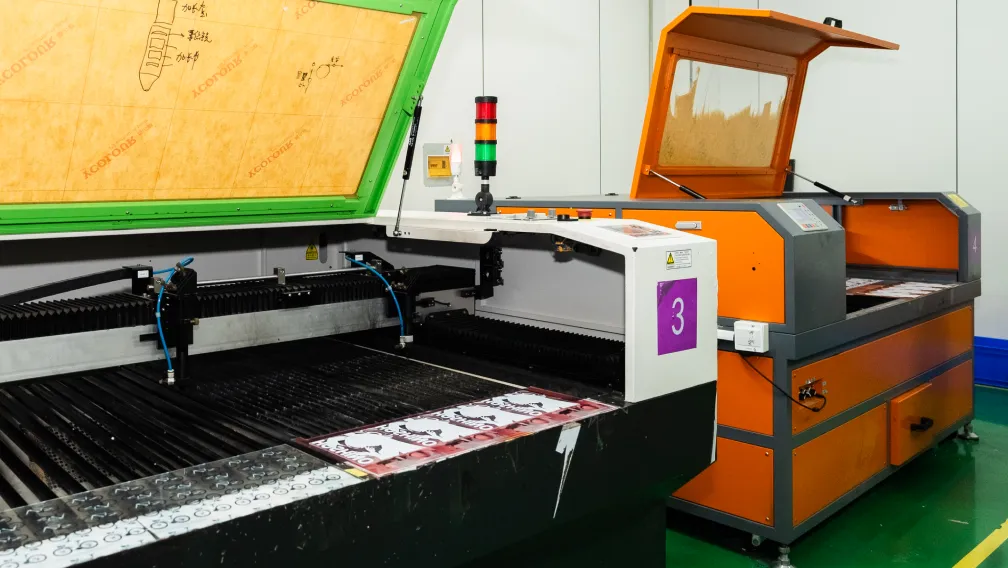
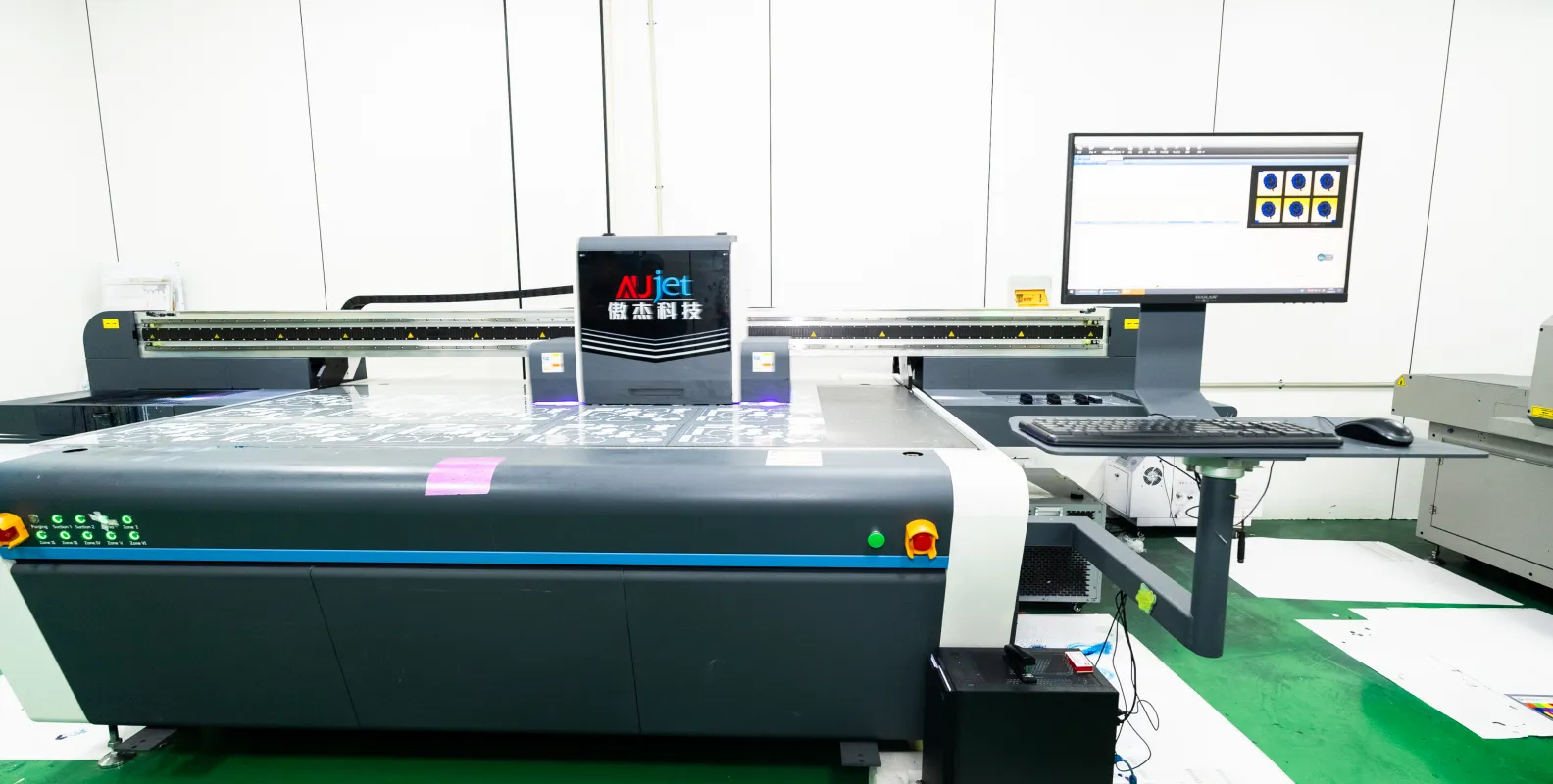
Transitioning to sustainable supply chains does not require compromising on product diversity. Recycled PMMA is fully compatible with standard industrial processing techniques, including CNC routing, CO2 laser profiling, diamond edge polishing, and UV flatbed printing.
1. Sustainable Tabletop Collectibles
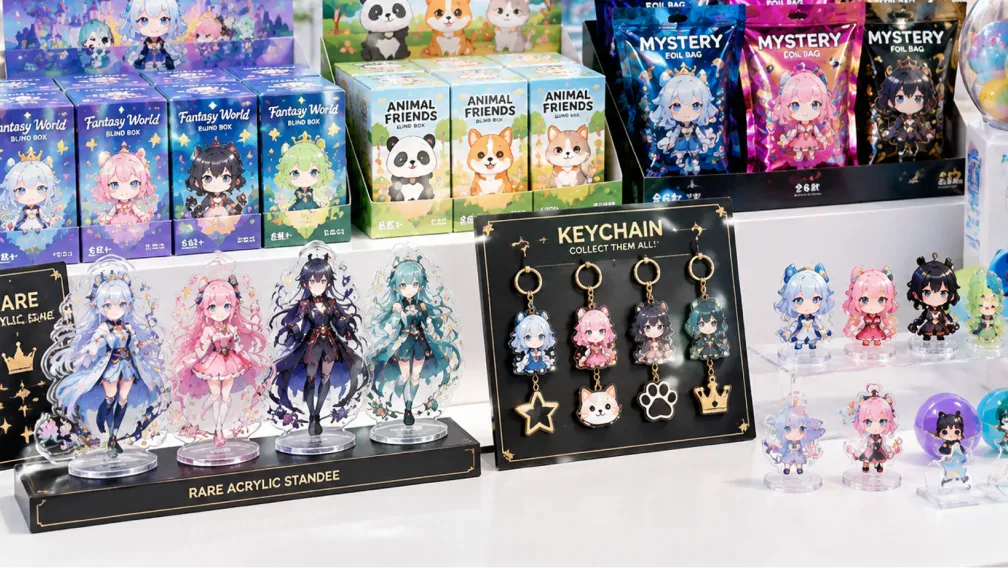
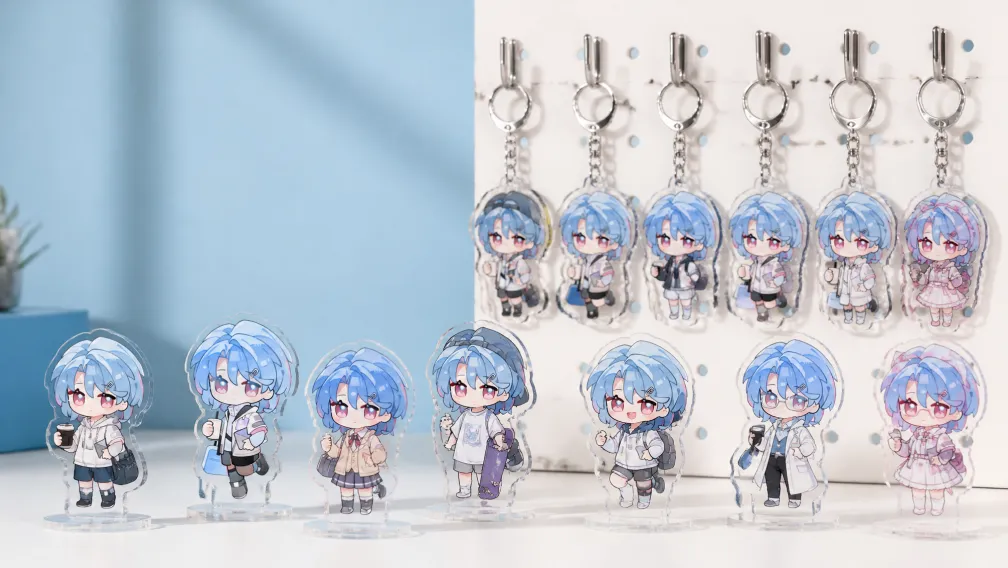
Enterprises launching promotional campaigns or retail display lines can seamlessly replace virgin substrates with eco-friendly alternatives. Multi-component custom acrylic standees manufactured from recycled PMMA deliver the same rigid structural integrity and secure tab-and-slot friction fits required for retail display.
2. Complex Multi-Layer Mechanics
Even intricate multi-layer assemblies, such as acrylic shaker standees, can be executed entirely using recycled acrylic sheets. Because the molecular density matches virgin polymer, cleanroom adhesive bonding and internal chamber milling perform with identical structural yields and defect-free kinetic movement.
3. Heavy-Duty Retail Displays
For high-end luxury retail environments requiring substantial physical presence, thick architectural panels and heavy custom acrylic blocks are readily available in certified recycled grades, projecting corporate environmental responsibility without sacrificing visual prestige.
Elevating Brand ESG Profiles Through Sustainable Sourcing
Incorporating recycled materials into your merchandise catalog directly impacts your corporate ESG scoring. Institutional investors, retail consumers, and regulatory agencies increasingly evaluate brands based on their supply chain transparency and material circularity.
By transitioning standard promotional goods and retail product lines to eco-friendly custom merchandise, brands achieve measurable sustainability milestones:
- Reduced Scope 3 Emissions: Lower embodied carbon in raw material extraction directly decreases your corporate supply chain carbon accounting metrics.
- Enhanced Consumer Loyalty: Modern demographic cohorts—particularly Gen Z and millennial collectors—actively favor brands that demonstrate verifiable environmental stewardship.
- Future-Proofed Compliance: Proactively adopting circular plastics ensures your brand remains fully insulated against anticipated regulatory taxation on virgin single-use or display plastics.
Partnering with a Certified Sustainable OEM Manufacturer
Achieving true supply chain sustainability requires more than simply purchasing green-labelled materials; it demands complete manufacturing transparency. Working with an experienced OEM guarantees that your eco-friendly merchandise is fabricated under strict environmental controls, energy-efficient routing arrays, and zero-waste disposal protocols.
Modoriworks is committed to industrial sustainability, offering comprehensive custom merchandise products manufactured from certified recycled PMMA. We help global brands achieve their ESG targets without compromising on quality or turnaround velocity. Review our documented production cases to examine our high-volume execution, or learn more about Modoriworks and our certified manufacturing standards. For technical specifications or to discuss sustainable material availability for your upcoming production run, consult our manufacturing FAQ or contact our enterprise sales team today.
-

Modori Works Team
Custom B2B Merchandise Manufacturer
Authored by the engineering and production specialists at Modori Works. We share deep manufacturing insights, material breakdowns, and workflow guides to help global brands, artists, and event organizers bring custom acrylics, keycaps, and collectibles to life with strict IP protection.