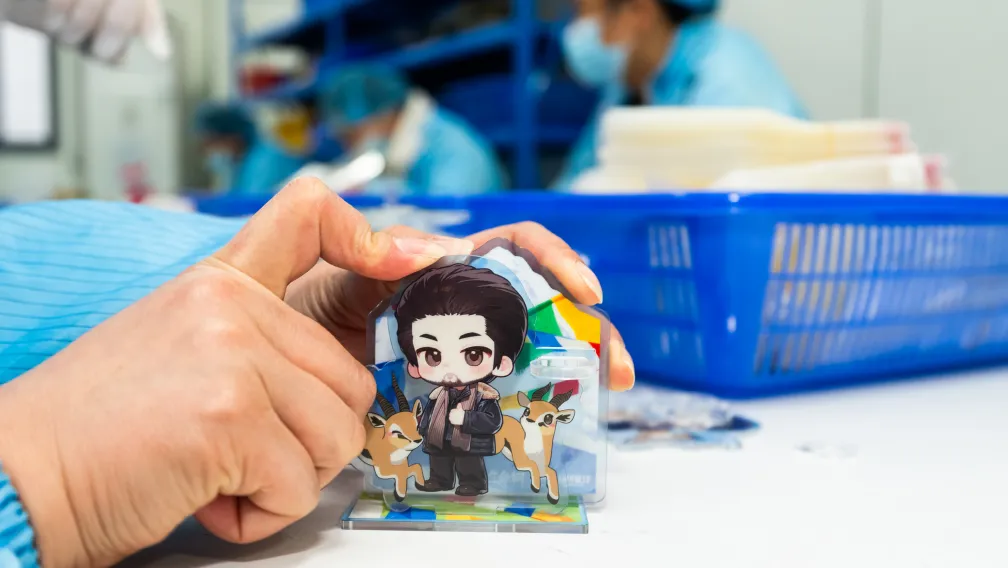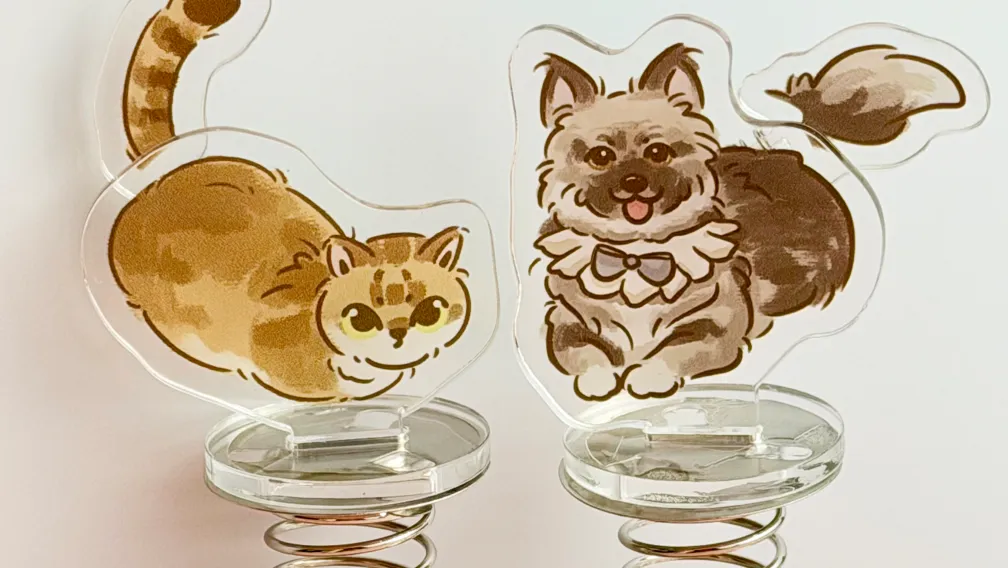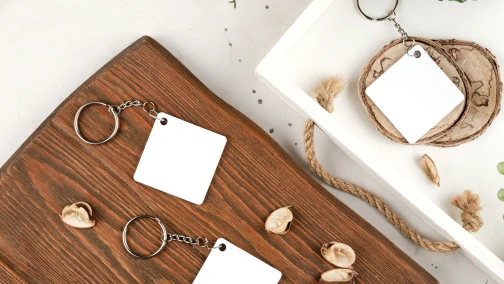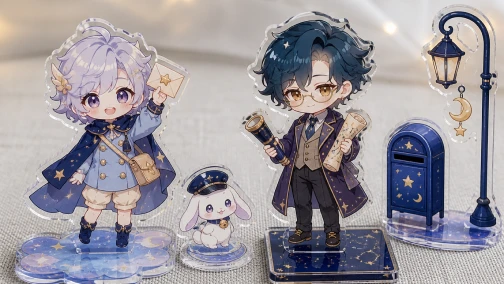
As procurement cycles for Q4 seasonal retail programs close, production data from the Yangtze River Delta manufacturing hubs indicates a structural shift in how brands approach Halloween inventory. The traditional reliance on disposable, mass-market plastics has transitioned toward high-fidelity, durable collectibles engineered for specific aesthetic niches. Independent creators, convention vendors, and global retail brands are leveraging advanced UV flatbed printing and precision laser cutting to produce premium items. This shift is driving substantial manufacturing volume in categories such as custom acrylic standees and multi-layered specialty charms, redefining the quality baseline for holiday-specific consumer goods.
Aesthetic Drivers: Gothic, Cottagecore, and the Demand for Precision Printing
Consumer tracking data for 2026 shows that Halloween merchandise aesthetics have fragmented into highly specific sub-genres. Retail buyers are moving away from generic orange-and-black motifs in favor of nuanced color palettes. Dominant trends include BookTok-inspired dark academia featuring deep purples and muted charcoal, Cottagecore witch aesthetics utilizing earthy greens and rust tones, and Kawaii pastel ghost variations tailored for younger demographics.
For manufacturing facilities, translating these sophisticated palettes onto transparent polymethyl methacrylate (PMMA) requires rigorous color calibration. Reproducing the subtle gradients of a moody, desaturated Gothic design demands active ICC profile management and strict CMYK color matching algorithms. Factories producing high-grade spooky custom keychains must hold color fidelity across entire production runs. Misalignment in the white ink underbase—even by 0.1 mm—will create unwanted halos that ruin the visual integrity of dark, intricate line art. Consequently, procurement managers now require facilities to utilize automated optical registration systems to ensure absolute alignment between the CMYK color layer and the opaque white backing.
Material Science and Format Evolution in Seasonal Acrylics
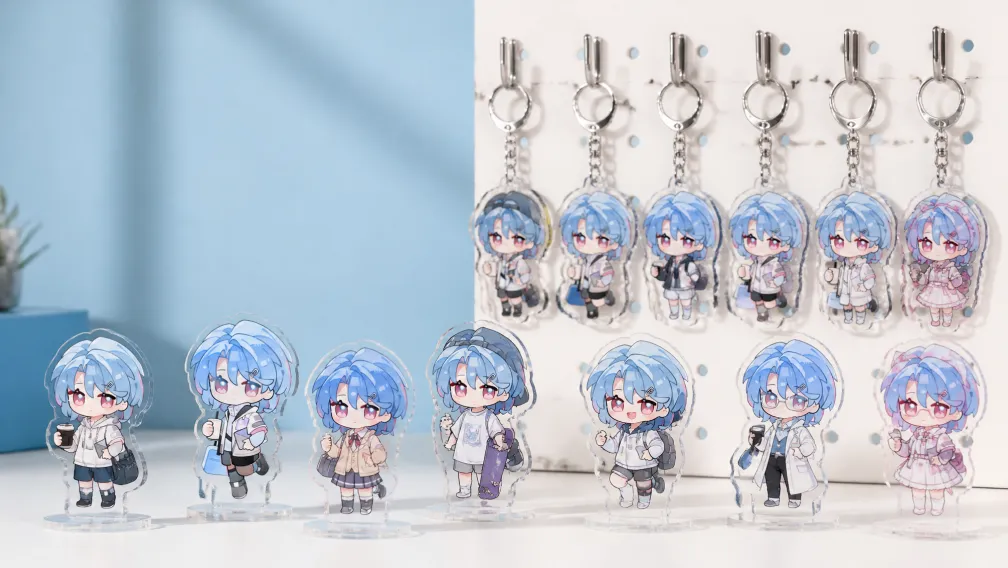
The specification standard for Halloween acrylic charms has elevated significantly. Buyers increasingly bypass single-layer flat prints in favor of textured, interactive, and multi-finish constructions that command higher retail price points and offer superior tactile feedback.
Epoxy Doming and Surface Protection
Applying a clear polyurethane or epoxy resin over the UV-printed surface has become a standard requirement for premium merchandise. This doming process adds physical weight to the charm, enhances the optical depth of the underlying illustration, and provides a durable, scratch-resistant barrier. In high-handling environments like conventions, epoxy-coated items demonstrate superior longevity. Factories must manage the curing environment meticulously; fluctuations in humidity or ambient temperature during the resin curing phase can cause micro-bubbles, cloudiness, or surface delamination.
Holographic and Glitter Substrates
Manufacturers are heavily utilizing specialty PMMA substrates that incorporate holographic foils and internal glitter cores. When engineering these items, the refractive layers must be properly laminated to prevent moisture ingress. Quality control protocols involve rigorous adhesion testing, utilizing cross-hatch tape tests to verify that the UV ink bonds securely to the specialized foil surfaces without peeling under mechanical stress.
Liquid "Quicksand" Cavities
Interactive merchandise featuring internal liquid cavities filled with metallic glitter or miniature acrylic shapes represents a growing segment of the premium market. These multi-layer assemblies require specialized ultrasonic welding to fuse the acrylic panels seamlessly. Quality assurance for these items mandates pressure and vacuum leak-testing to ensure the internal fluids remain contained during international air freight and daily consumer use.
Engineering the Halloween Acrylic Standee: Tolerances and Structural Integrity
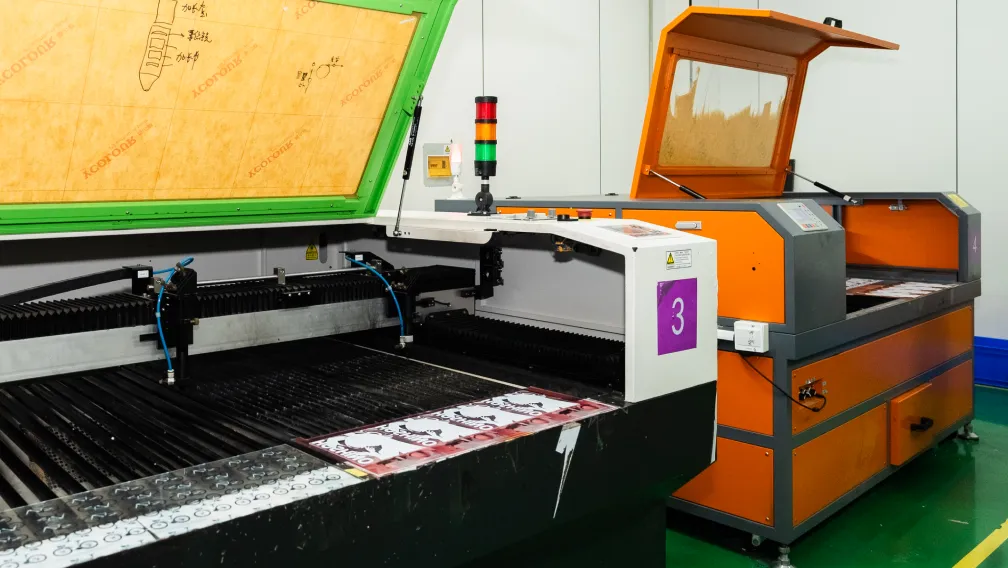
The production of a Halloween acrylic standee requires precise structural engineering, particularly concerning the insertion interface between the vertical character panel and the horizontal base. Industrial CO2 lasers used in cutting acrylic create a thermal kerf—a minor vaporization of material along the cut line.
If the CAD cut paths do not mathematically compensate for this kerf, the base slots will deviate from their required dimensions. For a nominal 3.0 mm cast PMMA sheet, the corresponding base slot width must be engineered to match the measured thickness of the inserted tab exactly, factoring in the added thickness of the UV ink and any protective coatings. Allowable clearance tolerances for standee slots are strictly constrained to plus or minus 0.05 mm. Deviations exceeding this threshold result in either loose assemblies that wobble or excessively tight joints that risk fracturing the acrylic matrix during manual insertion.
Supply Chain Dynamics and Short-Run Batch Agility
Halloween is a uniquely time-bound retail event. Inventory arriving after October 31st suffers immediate obsolescence, carrying zero retail value until the following year. Consequently, brands developing halloween merchandise custom programs prioritize supply chain agility and guaranteed delivery schedules over marginal unit cost reductions.
The current market heavily favors vertically integrated factories that manage printing, laser cutting, and hardware assembly within a single facility. By eliminating third-party subcontractors, these facilities can execute short-run batches—ranging from 50 to 500 units—with accelerated lead times of five to seven working days. This rapid turnaround capability allows retailers and independent artists to conduct initial market tests of specific designs in late September, aggregate sales data, and rapidly restock proven sellers before peak holiday traffic hits in mid-October. Procurement professionals qualifying suppliers for seasonal drops must verify the factory's peak-season queue capacity and historical on-time delivery rates.
Compliance, Material Safety, and Global Distribution
As licensed properties and corporate brands expand their seasonal merchandise footprints, regulatory compliance has transitioned from a competitive advantage to a strict entry requirement. Buyers evaluating manufacturing partners for 2026 programs must audit documentation across multiple vectors.
- Chemical Safety: PMMA sheets, UV-curable inks, and metal alloy hardware (such as clasps and jump rings) must pass third-party RoHS and REACH testing to ensure they are free from restricted heavy metals and phthalates.
- Social Compliance: Facilities must hold valid BSCI or Sedex (SMETA) audit reports, verifying ethical labor practices, safe working conditions, and transparent supply chain management.
- IP Handling: For licensed properties, Disney FAMA authorization serves as the gold standard, confirming the facility's adherence to stringent intellectual property protection protocols and facility security.
Industry Benchmarks for Q4 2026 Seasonal Production
The table below summarizes the operational benchmarks required by B2B buyers when sourcing custom acrylic merchandise for the 2026 holiday season.
| Production Parameter | Current Industry Standard | Audit Focus |
|---|---|---|
| Dimensional Tolerance (Cutting) | ±0.15 mm on external outline; ±0.05 mm on base slots | Kerf compensation algorithms and test assembly logs |
| Standard Production Lead Time | 5 to 8 working days following vector proof approval | Peak season backlog and machine count |
| White Ink Registration | Alignment within 0.2 mm of CMYK layer | Optical registration systems on UV flatbed printers |
| Ink Adhesion Verification | Pass cross-hatch tape test (ASTM D3359) | In-house QC batch testing records |
| Quality Framework | ISO 9001, RoHS, REACH, BSCI | Third-party certification validity and scope |
Working With Modori Works
Modori Works operates an advanced 10,000-square-meter manufacturing campus in China's Yangtze River Delta, engineered specifically for high-volume, high-precision custom merchandise production. The facility runs over 100 industrial machines across dedicated UV printing, CNC cutting, and badge pressing lines. Holding ISO 9001, BSCI, Sedex, and Disney FAMA certifications, our production ecosystem is fully compliant with European and North American retail standards.
Brands, licensors, and procurement managers preparing for seasonal events can request comprehensive material compliance reports and production-line samples before committing to bulk manufacturing. Whether scaling custom acrylic keychains with specialized epoxy finishes, engineering precision-cut custom acrylic standees, or executing complex multi-layer acrylic shaker standees, our engineering team provides exact tolerances and repeatable quality. Submit your artwork vectors for a complimentary technical review, and our engineers will return a production feasibility assessment within 24 hours.
-

Modori Works Team
Custom B2B Merchandise Manufacturer
Authored by the engineering and production specialists at Modori Works. We share deep manufacturing insights, material breakdowns, and workflow guides to help global brands, artists, and event organizers bring custom acrylics, keycaps, and collectibles to life with strict IP protection.